
Every Way to Sell a Property in Singapore: A Comparison
For most homeowners in Singapore, selling a property follows a familiar path. Put it on the market, arrange viewings, receive offers, and complete the sale.
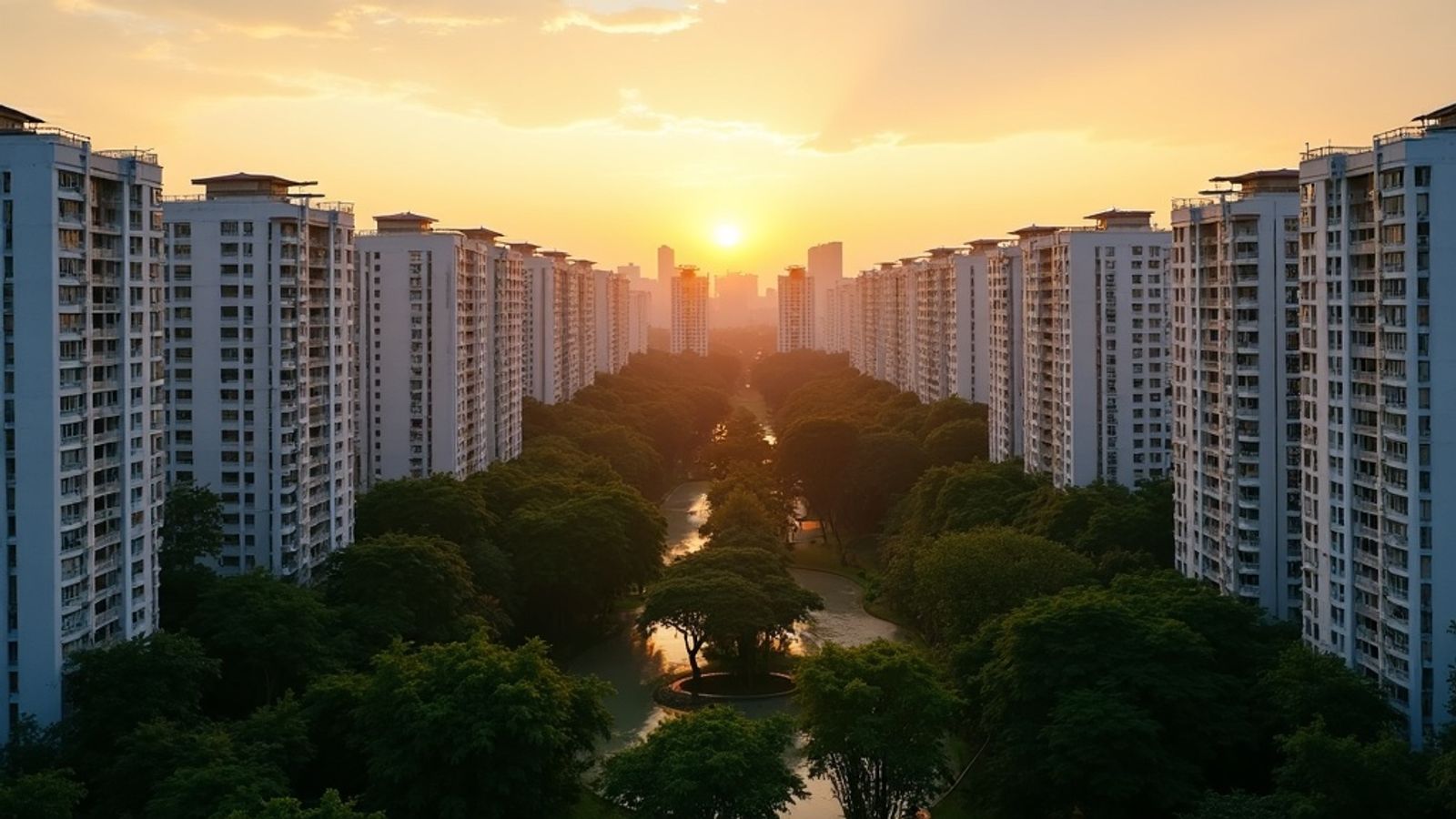
It is the route most people know, and for good reason.
Over the past year, Singapore saw more than 23,700 HDB resale transactions. Four-room flats made up 10,395 of those sales, with a median resale price of $630,000.
The vast majority were sold through the usual open market process, with an agent helping to market the property.
But the traditional route is not always the best fit for every seller. Depending on your property type, timeline, privacy needs, and pricing goals, other options may make more sense.
Understanding the different ways to sell can help you choose the approach that works best for your situation.
The agented open market
An agent handles the full process from start to finish. They help price the home, market it on property portals, arrange viewings, negotiate with buyers, and manage the paperwork until completion.
The commission is agreed up front before the listing goes live, and co-broking allows more buyers to be reached by working with other agents.
For most homes, nothing matches the reach of the open market. More buyers mean more competition, which helps get you the right price, while recent nearby transactions provide a useful reference point for everyone involved.
When we look at the results for our own sellers, the traditional agent-led sale remains the most common choice. It works because it gives homeowners the widest exposure and a clear process from beginning to end.
Selling it yourself
The agent's commission can cost a pretty penny. Owner listings are allowed on the major portals, and the saved commission is real money.
For example, on a $630,000 flat, a 2 percent fee is $12,600, and on a $1.5 million condo, it is $30,000.
The trade-off is that you now take on the work an agent would normally handle. That means deciding the right price without professional market input, answering every enquiry, managing viewings, and negotiating with buyers who may have their own experienced agent.
DIY selling works best when the property already has strong demand, and the market price is easy to understand. A four-room flat in a popular area with recent nearby transactions may be easier for an owner to price and sell.
But when we are called in after a DIY listing struggles, the issue is often the same. The property was launched at the wrong price, and the cost of that mistake ends up being higher than the commission saved.
The auction room

Singapore's auction market is a smaller part of the property scene, usually handled by established auction houses and often associated with mortgagee sales. However, some owners choose this route too, especially when their property is difficult to price.
Auctions can work well for homes where the market may struggle to agree on a value. This includes unique landed properties, shophouses, estate sales, or other assets that may sit for months without finding the right buyer.
The advantage is that an auction creates a clear moment of truth. Interested buyers gather on the same day, and the seller gets either a binding sale or a clearer idea of what the market is actually willing to pay.
The downside is that the costs still apply even if the property does not sell. Auction fees are added on top of other selling costs, and the property becomes a public event, including the reserve price and bidding outcome.
The quiet route
No public listing appears at all. Instead, the agent approaches a carefully selected group of qualified buyers, viewings are arranged privately, and confidentiality can be protected through formal agreements.
This is the usual approach for many high-end property transactions. In the past year, 514 caveats were recorded for homes priced at $10 million and above, and many properties at this level changed hands without ever appearing on public portals.
The trade-off is a smaller buyer pool. For homes with broad demand, fewer eyes on the property may mean less competition and a lower final price.
That is why off-market sales are usually better suited to rare properties or sellers who value privacy over maximum exposure.
A quiet sale is ultimately about exchanging reach for control. For the right property and seller, that can be a worthwhile trade.
Back to HDB: Lease Buyback and SERS, in two narrow cases
HDB does not generally buy back flats from owners. There are only two exceptions.
The Lease Buyback Scheme allows eligible owners aged 65 and above to sell part of their remaining lease to HDB while continuing to live in their home. SERS is different because it applies only to selected older estates that HDB identifies, and owners cannot apply for it.
For most homeowners, the usual route is still selling to another buyer on the resale market. In the past year, 5,662 three-room flats were resold at a median price of $443,944, while 5,515 five-room flats changed hands at a median of $740,000.
The sixth way?
A collective sale can unlock significant value when it happens. But it is not something an individual owner can simply choose.
The entire development has to go through the voting process, and the sale involves years of planning, legal work, and strict tender procedures.
If your development is getting older, it is worth understanding your en bloc position. But planning your personal sale around the hope of a collective sale is a gamble, and many owners end up waiting longer than expected.
How to choose in three questions
How ordinary is the property?
The more straightforward the home, the better the open market usually works, and the more realistic DIY selling becomes. For more unique properties, a specialised approach such as an auction or off-market sale may add more value.
What does the timeline demand?
If you have a fixed deadline, a wider marketing approach, or an auction with a set date may make more sense. Without time pressure, a quieter private sale becomes an option.
What is the privacy requirement?
Any need for privacy changes the strategy. Once a property is publicly listed, the details and listing history can stay in buyers' minds.
When we help sellers decide, these three questions usually provide the answer. The right selling method often becomes clear once you are clear with your priorities.
What sellers ask about the channels
Can I sell my HDB flat directly to HDB?
Only through the Lease Buyback Scheme if all owners are 65 or older, or if your block is selected under SERS. Otherwise, the resale market is the channel, and it is where flats fetch their value.
Is selling without an agent worth the savings?
For a straightforward flat in a popular area with strong demand, selling on your own can make sense. But the commission saved should be weighed against the time involved, the risk of pricing it wrongly, and negotiating with buyers who may have professional advice on their side.
A small mistake in pricing can easily cost more than the fee you were trying to save.
Do auctions mean fire-sale prices?
Mortgagee sales are what gave auctions their reputation, but owner listings with realistic reserve prices can also achieve fair market value. The auction format works best for properties that are harder to price through the usual open market process.
Can I run two channels at once?
You can, but the order matters. Starting with a quiet sale and moving to a public listing later is a common approach that keeps your options open.
Running multiple channels at the same time, such as a public listing alongside an auction, can create confusion and weaken the strategy. It is better to agree on the right sequence with your agent before starting the sale process.
How do I know what my property is worth before choosing?
Start by looking at recent transactions for your project, estate, or street. Then get the price checked by someone who understands the area and has actual experience closing deals there.
The right number is the foundation for every selling decision that follows. Whether you choose the open market, auction, or a private sale, the strategy only works if the starting price is realistic.
What does selling cost in each channel?
Each selling method comes with different costs. The agent-led route involves a negotiated commission, DIY selling usually means paying portal fees and investing your own time, auctions come with auction-related fees, and off-market sales still require professional work, often with more effort spent on finding the right buyers.
The bigger difference usually comes from the final selling price rather than the fees themselves. A small pricing mistake can cost far more than the commission saved.
If you're looking to sell your property, drop the Prop.sg team a note. We will give you an honest view of all your options, even if you eventually pay us nothing.
Related articles
All articles →
Is the En Bloc Premium Worth the Wait?
Should you sell your condo before an en bloc sale? How to price the 20 to 50 per cent premium against the years of waiting, the odds of failure and…
Read more →
How to Sell Landed Property in Singapore When No Two Houses Are Alike
Four ways a landed sale differs: harder valuation, a citizen-only buyer pool, land versus building value and longer marketing. Then the steps to…
Read more →
ABSD Remission for Married Couples (2026)
How a married couple gets the ABSD on a second home refunded: the conditions, when the six-month clock starts, and what happens if the sale falls…
Read more →