
How to Sell Landed Property in Singapore When No Two Houses Are Alike
Selling a landed property in Singapore is not quite like selling a condo. Your terrace house, semi-detached, or bungalow is different from the one next door, and those differences can have a big impact on the price, the buyer pool, and how you should market the property.
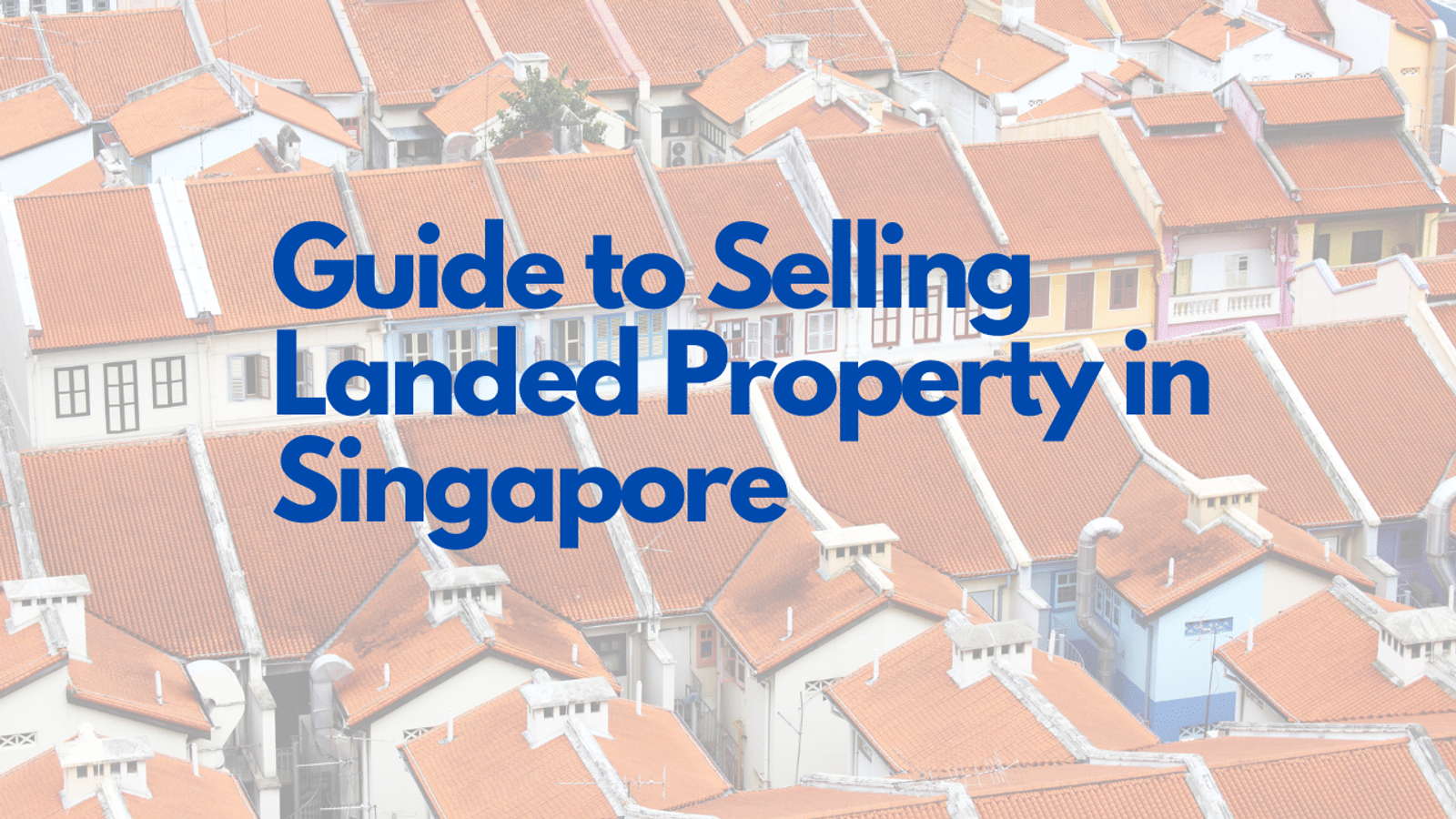
The paperwork may look familiar, but almost everything else needs a more tailored approach.
Four differences separate a landed sale from a condo sale. Valuation is harder because so few houses compare, the buyer pool is smaller and the law narrows it further, the price splits into land value and built value, and the marketing takes longer.
Landed homes number around 73,000, roughly one in twenty of Singapore's housing stock. Our selling a landed property service page covers how we run these sales, and in this blog post, we’ll walk you through all the differences, as well as include a step-by-step guide of the sale itself.
Types of Landed Property in Singapore
Terrace houses share walls with their neighbours on both sides and are the most common type of landed property in Singapore.
Semi-detached houses share one wall with a neighbouring house, while detached houses, usually called bungalows, stand on their own plot with no shared walls.
The landed market’s cream of the crop are Good Class Bungalows, or GCBs. These are detached homes located within one of the 39 areas designated by the Urban Redevelopment Authority, with each property sitting on a plot of at least 1,400 square metres.
There are only around 2,800 GCBs in Singapore, making them a particularly premium, limited segment of the landed market.
Cluster and strata landed homes may look like landed houses, but they often sell more like condos. A management corporation takes care of the shared facilities and common areas, so your best comparable sales may come from other homes within the same development.
How the Landed Market Looks in 2026
Landed property prices rose 2.6 per cent in the second quarter of 2026, after dipping 0.4 per cent in the first quarter. That puts prices up about 2.1 per cent for the first half of the year, while condo prices edged down.
For you as a landed owner, that is a pretty good backdrop. There is very little new landed property being built, so landed homes can stay in demand even when the condo market slows.
But there is one important catch. The market trend does not tell you what your house is actually worth.
Your price still comes down to your location, land size, condition, layout, and what similar homes have recently sold for.
Valuation Is Harder When So Few Houses Compare
A condo is usually easier to price because there are plenty of similar units selling all the time. You can look at recent sales in the same development and get a pretty good idea of what buyers are willing to pay.
Landed homes are different. Your house might not have a true match nearby.
Even two houses next to each other can have very different plot sizes, frontage, tenure or building ages.
That is why pricing a landed home takes a bit more work. You cannot simply look at one nearby sale and assume your house is worth the same.
There are fewer comparable sales for landed homes too, so pricing can be less straightforward.
You could have two professional valuers look at the same house and still get noticeably different valuations. That is because there may not be enough truly similar homes to use as a direct comparison.
For you as a seller, this means getting the right price is less about following a simple formula and more about understanding what buyers are actually willing to pay.
When we help owners price a landed home, this is usually the part we spend the most time on. There may only be a handful of recent sales nearby, and some of the transaction records can be years old.
So you cannot just take an old sale price and adjust it with a simple formula. You have to look at the current market, the differences between the properties and what buyers are actually willing to pay today, and this process can make a big difference to your final asking price.
Before you set your asking price, it is worth getting two or three indicative valuations. You do not want to price your home based on just one number.
This matters because your buyer’s bank will usually base the loan on the lower of the purchase price or its own valuation. If the bank comes in lower than expected, your buyer may suddenly need to find more cash.
So even if you have a willing buyer, one low valuation can put the whole deal at risk.
The Buyer Pool Is Smaller, and the Law Narrows It Further
In land-scarce Singapore, very few households can afford a landed property in the first place. Then you have the rules and restrictions, which narrow that pool even further.
Under the Residential Property Act, only Singapore citizens can buy landed residential property freely. Everyone else, including permanent residents, needs approval from the Land Dealings Approval Unit, or LDAU, before a purchase can be completed.
Approval generally requires at least five years of permanent residency plus an economic contribution that Singapore considers exceptional, and this assessment alone takes about 30 working days. In practice, you may find yourself marketing to Singaporean Citizens almost exclusively.
When we accept a case for a landed property, we check citizenship before we do anything else, and treat
any offer from a non-citizen as conditional until the Land Dealings Approval Unit has granted approval, because the sale cannot be completed without it.
At the Good Class Bungalow level, the pool narrows even further, and how buyers hold the house matters as much as what they pay.
Our guide to GCB purchase structures explains the trusts and holding arrangements used at the top end of the market.
Is the Buyer Paying for Your House, or Your Land?
A landed price has two parts, the value of the land and the depreciated value of the building on it. The land itself doesn't depreciate.
As the building ages, its share shrinks, and a house near the end of its useful life may fetch little more than the land is worth.
That split also affects the type of buyer you are likely to attract.
If your house is well maintained and ready to move into, you are more likely to attract families who want to settle in without doing much work.
If the house is older, your buyers may look at it differently. They may be thinking about rebuilding the house or doing A&A works, meaning additions and alterations that keep the main structure but update and improve the rest.
So when you sell, it helps to understand what your buyer is actually buying: a home they can move into, or a piece of land with potential.
Rebuild buyers look at your property very differently. They are usually more interested in the plot itself than your kitchen, flooring, or interior finishes.
They will look at things like the land size, shape and what can potentially be built on it. They will also factor in the cost of tearing down the existing house and building a new one when deciding how much to offer.
So if your buyer is planning a rebuild, do not expect them to pay a premium for renovations they may simply tear out.
Ask your agent for an honest view on who is most likely to buy your house. Are they looking for a home they can move straight into, or are they mainly interested in the land and planning to rebuild?
That answer can change how you market the property and how much you should spend on repairs or improvements before putting it up for sale.
There is little point in spending heavily on renovations if your likely buyer plans to tear the house down anyway.
Marketing Takes Longer, So Plan Around It
Marketing and selling a condo usually takes about one to three months, while doing the same for a landed property typically takes three to six. Some tricky properties end up taking between four and eight months from the initial listing to the actual handover.
The reason is simple: there are fewer buyers who can afford a landed home, and each buyer usually needs more time to make a decision. They may need to sort out financing, get a valuation and work through renovation or rebuilding costs before they are ready to commit.
When we market a landed home, serious enquiries tend to come in smaller numbers. That is normal.
The goal is not to get hundreds of enquiries. It is to find the right few buyers who see the value in your property and are ready to act.
If the sale funds your next purchase, you might want to build the longer window into your plans. If you follow a typical condo sale’s timeline, you might end up with two properties at once and require a bridging loan which grows with every delayed month.
Some landed owners choose not to list their homes on the usual property portals at all. If privacy matters more to you than reaching the biggest possible audience, an off-market sale can be worth considering.
Our guide to off-market property sales in Singapore explains how these quieter sales work and when they might make sense.
How Selling a Landed Property Works, Step by Step
The legal process is mostly the same as selling any private property. What changes is how important each step becomes when you are selling a landed home.
From pricing and valuation to negotiations and financing, each stage can have a bigger impact on whether the sale goes smoothly.
Preparation and pricing. Work with an agent who knows the landed market in your area, and get two or three indicative valuations before setting your asking price.
Pricing matters even more with landed homes. If you price too high, your house can sit on the market for months.
Once a listing becomes stale, buyers may start wondering what is wrong with it and use that to push for a lower offer.
Option to Purchase. Once you agree on the sale, you give the buyer an Option to Purchase, or OTP, in exchange for an option fee.
The buyer will usually have two weeks to decide whether to exercise the option.
If the buyer is not a Singapore citizen, be sure to verify that they have the necessary Land Dealings Approval Unit clearance before reaching this stage.
Exercise and legal work. Once the buyer exercises the option, lawyers from both sides should start their checks.
With landed homes, these checks can uncover property-specific issues such as boundary differences or unapproved works.
It is better to sort out any unapproved structures early. If the buyer’s lawyer flags them as a problem, they could delay the sale or make the buyer think twice about completing the purchase.
Seller's Stamp Duty. For a property bought on or after 4 July 2025, Seller's Stamp Duty, or SSD, may apply if you sell within four years, with rates that can be up to 16 per cent.
Properties bought before that date generally fall under the older three-year holding period, and most landed sellers have owned their properties for far longer and pay none.
Completion and handover. Completion usually follows eight to twelve weeks after exercise, with property tax and other outgoings apportioned between the parties.
Check the contract's handover condition before the final walkthrough, because disputes are far harder to settle once the keys have changed hands.
What Sellers Ask About Landed Sales
Can a foreigner buy my landed house?
A foreigner can buy a landed property only with government approval. A foreign buyer, and that includes permanent residents, needs clearance from the Land Dealings Approval Unit before a landed purchase can be completed, which is why the most demand for landed property comes from Singapore citizens.
How long does it take to sell a landed property in Singapore?
Often four to eight months from listing to handover, with marketing alone commonly taking three to six months. Realistic pricing at launch is the part you control most directly.
Do I pay Seller's Stamp Duty on a landed sale?
Most landed sellers pay nothing, because Seller's Stamp Duty applies only within the holding period, which isfour years for properties bought on or after 4 July 2025 and three years for most purchases before that date.
Should I renovate before selling, or sell the house as it is?
It depends on who you are likely to sell to. If your buyer wants a move-in-ready home, some simple improvements may help.
But if they are mainly buying the land and planning to rebuild, spending heavily on renovations could be money down the drain.
Before you spend anything, find out what your likely buyers actually want. Then you can decide whether a few touch-ups are worth it or whether you are better off selling the house as it is.
Thinking about selling your landed home? Our services page shows how the Prop.sg team works, and we'll tell you plainly whether your house will sell as a home or as land.
Related articles
All articles →
Is the En Bloc Premium Worth the Wait?
Should you sell your condo before an en bloc sale? How to price the 20 to 50 per cent premium against the years of waiting, the odds of failure and…
Read more →
ABSD Remission for Married Couples (2026)
How a married couple gets the ABSD on a second home refunded: the conditions, when the six-month clock starts, and what happens if the sale falls…
Read more →
A Decoupling Calculator You Can Run on Paper
What a decoupling costs in Singapore, worked on paper: BSD on the share, two law firms, the valuation, and when SSD makes it fail. Three example…
Read more →