
How GCB Ownership Actually Works in Singapore
Seven. That's the number of Good Class Bungalows that changed hands across Singapore in the second quarter of 2026.
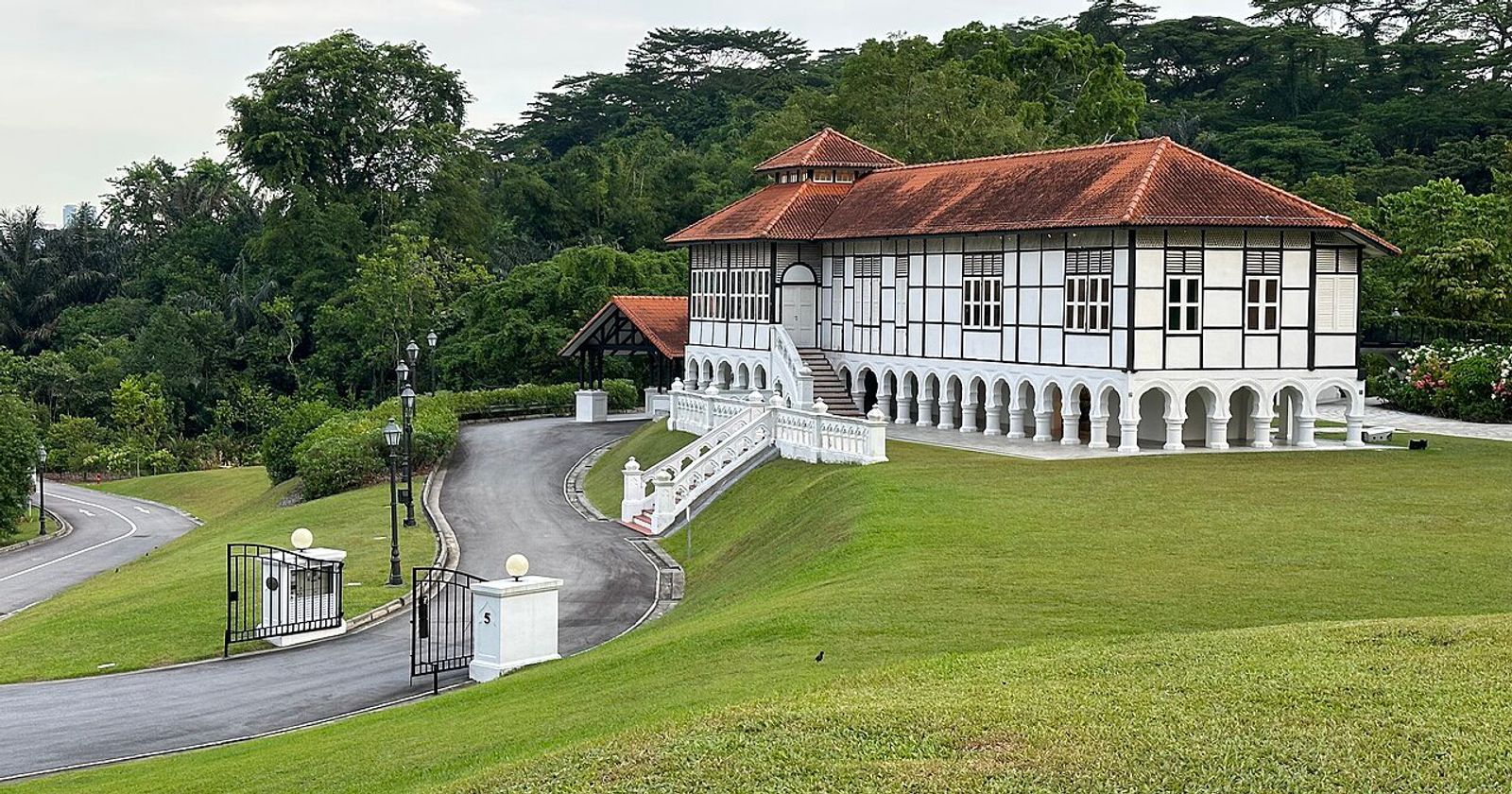
When you're talking about a market with fewer than 3,000 homes, every transaction is a big deal. It's also why GCB ownership often feels surrounded by myths, from buying through a company to holding one in a trust.
With so few people ever getting close enough to the process, plenty of rumours get passed around without anyone checking what's actually allowed under the rules.
So how does GCB ownership really work? In this guide, we'll take a closer look at how GCBs can be owned, clear up some common misconceptions, and give you a better understanding of the rules, restrictions, and realities behind owning one in Singapore.
What the label actually requires
The URA has designated 39 areas across Singapore for the country's lowest-density housing, mainly concentrated in districts 10, 11, 21, and 23. Well-known GCB locations like Nassim Road, Cluny Hill, and Belmont Park are all within these zones.
To qualify as a Good Class Bungalow, the land plot must be at least 1,400 square metres. The homes are limited to a maximum of two storeys, with strict planning rules in place to protect the greenery, spacing, and low-density character that make GCB areas so unique.
| The GCB test | Requirement |
|---|---|
| Location | Inside one of 39 gazetted areas |
| Plot size | 1,400 sqm minimum |
| Height | Two storeys |
| Stock | Fewer than 3,000 houses nationwide |
| Trades in an active year | Under 90 |
Scarcity in the GCB market isn't just something people say. It is the reality.
When buyers at this level share what they are looking for, the shortlist often comes down to just a few ideal addresses, and many of them are not even available for sale.
The broader detached home market in these areas is limited too. Over the past year, District 10 recorded 82 detached home transactions at a median of $2,163 per square foot, while District 11 saw 62 transactions at $2,269 per square foot.
District 21 had 28 transactions at a median of $1,769 per square foot, and District 23 recorded just 16 at $1,171 per square foot.
| District | Detached transactions, past year | Median PSF |
|---|---|---|
| 10 | 82 | $2,163 |
| 11 | 62 | $2,269 |
| 21 | 28 | $1,769 |
| 23 | 16 | $1,171 |
Those figures include all detached homes across the four districts, which is a much larger pool than just the gazetted GCB areas. The actual GCB market is even smaller and more limited, which is exactly what makes it so exclusive.
Who is allowed to buy a GCB
The Residential Property Act sets the starting point for GCB ownership. Landed homes in the gazetted areas are generally reserved for Singapore Citizens, and this rule shapes the entire market.
Permanent Residents have a limited pathway through an application to the Land Dealings Approval Unit, but approvals are uncommon and usually require exceptional economic contributions to Singapore. Successful applicants are also expected to live in the property rather than rent it out.
For foreigners without PR status, there is no way to own a GCB within the 39 gazetted areas. The main exception for foreign landed property ownership is Sentosa Cove, which is outside the GCB zones.
Can a company or a trust hold one?
A Singapore company cannot own a landed property in the gazetted GCB areas. Changing the shareholding structure does not change this, because the restriction applies to the company itself.
Trusts are not a simple workaround either. Buying a residential property through a living trust comes with a 65 percent Additional Buyer's Stamp Duty upfront.
A remission may be available, but only if every beneficiary is a clearly identified individual who is legally allowed to own the property directly.
For a GCB purchase, this generally means having Singapore Citizen beneficiaries and an approved trust structure. Only a small number of family trusts meet these requirements, and the costs involved can significantly affect the overall purchase decision.
| Vehicle | Can it hold a GCB? |
|---|---|
| Personal name, Singapore Citizen | Yes |
| PR with LDAU approval | Rarely, owner-occupation required |
| Singapore company | No |
| Living trust | Only citizen-beneficiary structures with remission, 65% ABSD framework |
| Nominee for a hidden owner | Illegal under the Act |
In most cases, the simplest answer is also the most common one. Nearly every GCB in Singapore is owned under a Singapore Citizen's personal name, either individually or together with family members.
The real planning usually happens through the ownership details. For example, couples who choose joint tenancy allow the property to pass automatically to the surviving owner, while tenants in common allow each person's share to be passed on through their will.
These choices often have a bigger impact on succession planning than complicated offshore structures.
The asset-protection conversation, honestly
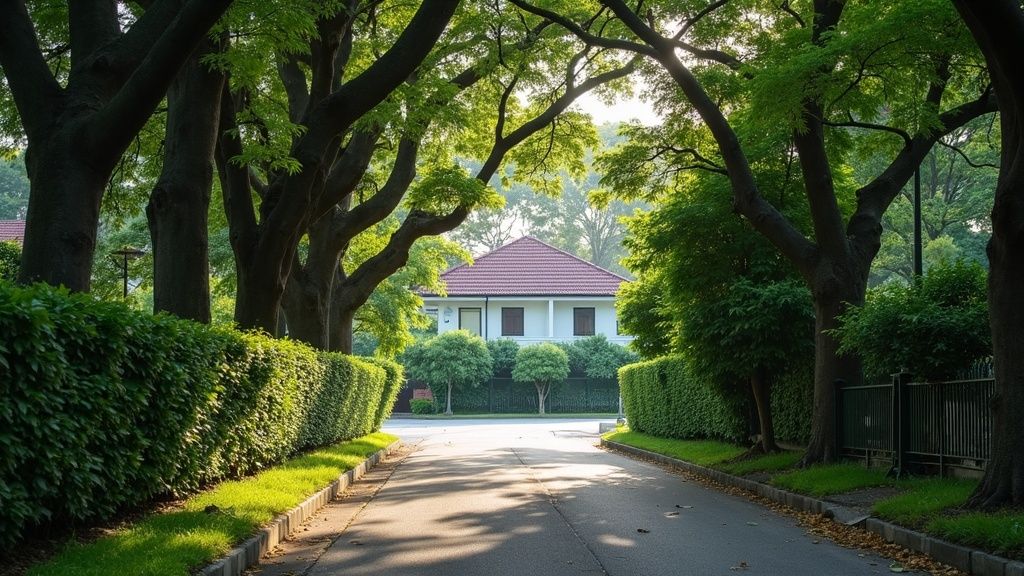
When buyers talk about ownership structures, there are usually two goals behind the conversation, and they are worth separating. One is privacy, and the other is protecting the property from future claims.
Privacy is possible, but only to a certain extent. Property records and caveats are still available for public viewing, so what buyers can really control is how the purchase is marketed, whether the deal is done privately, and when details become public.
Using a nominee to hide the true owner is not allowed under the Residential Property Act. Both parties involved can face penalties, which is why proper advisers will not recommend or set up this type of arrangement.
Protection from claims is another matter. A GCB held in your own name remains part of your personal assets and can be exposed to personal liabilities.
In divorce cases, the courts also look at the true nature of ownership rather than simply the structure used.
A properly structured family trust can help with passing a property down to future generations, but it comes with its own considerations. The 65 percent Additional Buyer's Stamp Duty framework, the long-term commitment, and the approval process all need to be weighed carefully.
For most families, the real planning starts with succession discussions involving a conveyancer and tax adviser before making an offer.
Money, valuations, and the seven-trade problem
Banks finance GCB purchases using the same Total Debt Servicing Ratio rules that apply to other homes, just with much larger price tags involved. The bigger challenge is often agreeing on what the property is actually worth.
Because only a small number of GCBs change hands each quarter, valuers usually look closely at factors like land rates, plot shape, elevation, and orientation to estimate the value. It is possible for two banks to come up with very different valuations for the same property.
For sellers, this limited supply can work both ways. Every new transaction becomes an important reference point for future negotiations, and a single caveat can influence pricing discussions for months.
For buyers who need financing, getting a clear valuation before making an offer is especially important in the GCB market. If the bank's valuation comes in below the agreed purchase price, the difference has to be covered with your own cash.
How a purchase actually runs
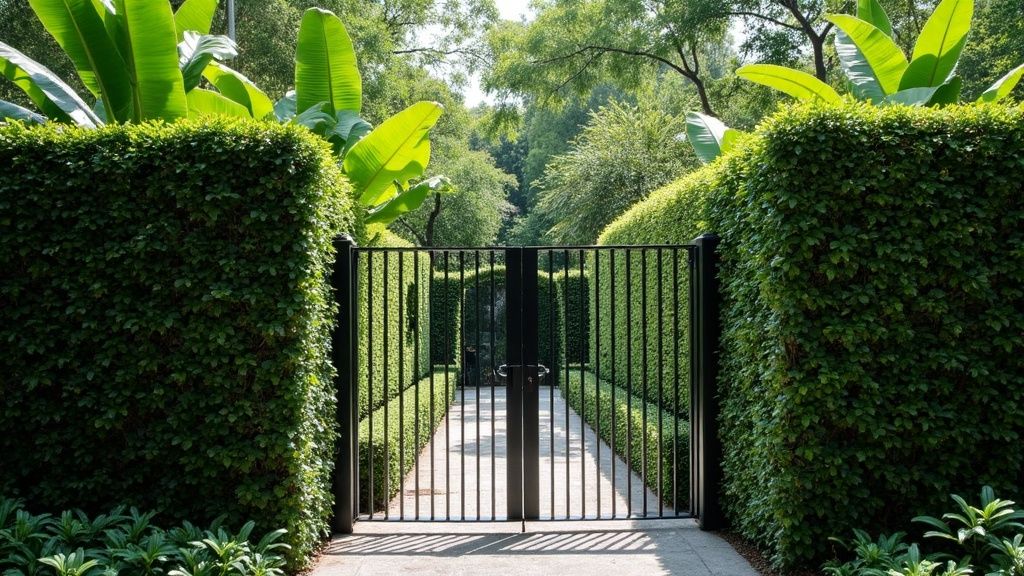
The buying process is similar to any other landed property purchase. It starts with securing the option, followed by due diligence on the title and planning rules, before moving on to completion.
The first step is always checking eligibility. If a buyer is not legally allowed to own the property, there is no point moving forward with negotiations.
At this stage, agents should screen buyers early to make sure everyone's time is used wisely.
Patience is also a big part of the process. The right GCB in the right location may not come up for sale every year, and many transactions happen quietly through private channels rather than public listings.
What buyers ask about GCB rules
Can a foreigner buy a Good Class Bungalow?
Not within the 39 gazetted GCB areas, unless the buyer becomes a Singapore Citizen. A Permanent Resident can apply through the Land Dealings Approval Unit, but approvals are uncommon and usually reserved for those who have made exceptional economic contributions to Singapore.
Can I buy a GCB through my company?
No. The Residential Property Act prohibits companies from owning landed property in the gazetted areas.
Can I put a GCB into a trust for my children?
Yes, but only under a very specific structure. The beneficiaries must meet the requirements for lawful ownership, and the trust must fall within the 65 percent trust ABSD framework and its remission rules.
The costs involved can significantly change whether the structure makes sense financially.
Can my PR spouse co-own the house with me?
Only with LDAU approval covering the PR's interest. Many couples hold the title in the citizen spouse's sole name instead and balance matters through their wills.
What counts as a GCB area?
The 39 gazetted areas around districts 10, 11, 21, and 23, with 1,400 square metre plot minimums and two-storey controls.
How many GCBs trade in a year?
Under 90 in a busy year. The second quarter of 2026 produced seven caveated deals.
Do GCBs ever appear on the portals?
Some do. A significant part of the GCB market happens through private deals, so serious buyers often share their requirements with agents who specialise in these areas rather than simply waiting for a listing to appear.
Thinking about buying a GCB or selling one quietly? These transactions are less about moving quickly and more about being prepared.
The right advice and planning can make all the difference, and the Prop.sg team helps buyers and sellers navigate both sides of the process.
Related articles
All articles →
Is the En Bloc Premium Worth the Wait?
Should you sell your condo before an en bloc sale? How to price the 20 to 50 per cent premium against the years of waiting, the odds of failure and…
Read more →
How to Sell Landed Property in Singapore When No Two Houses Are Alike
Four ways a landed sale differs: harder valuation, a citizen-only buyer pool, land versus building value and longer marketing. Then the steps to…
Read more →
ABSD Remission for Married Couples (2026)
How a married couple gets the ABSD on a second home refunded: the conditions, when the six-month clock starts, and what happens if the sale falls…
Read more →