
Is the En Bloc Premium Worth the Wait?
If you are a property owner in a Singaporean mature estate, one of the best pieces of paper you’ll receive is the collective sale notice. This means the developer has signed, the reserve price has been met, and you have a big payday coming, far beyond what any buyer would pay for the unit alone.
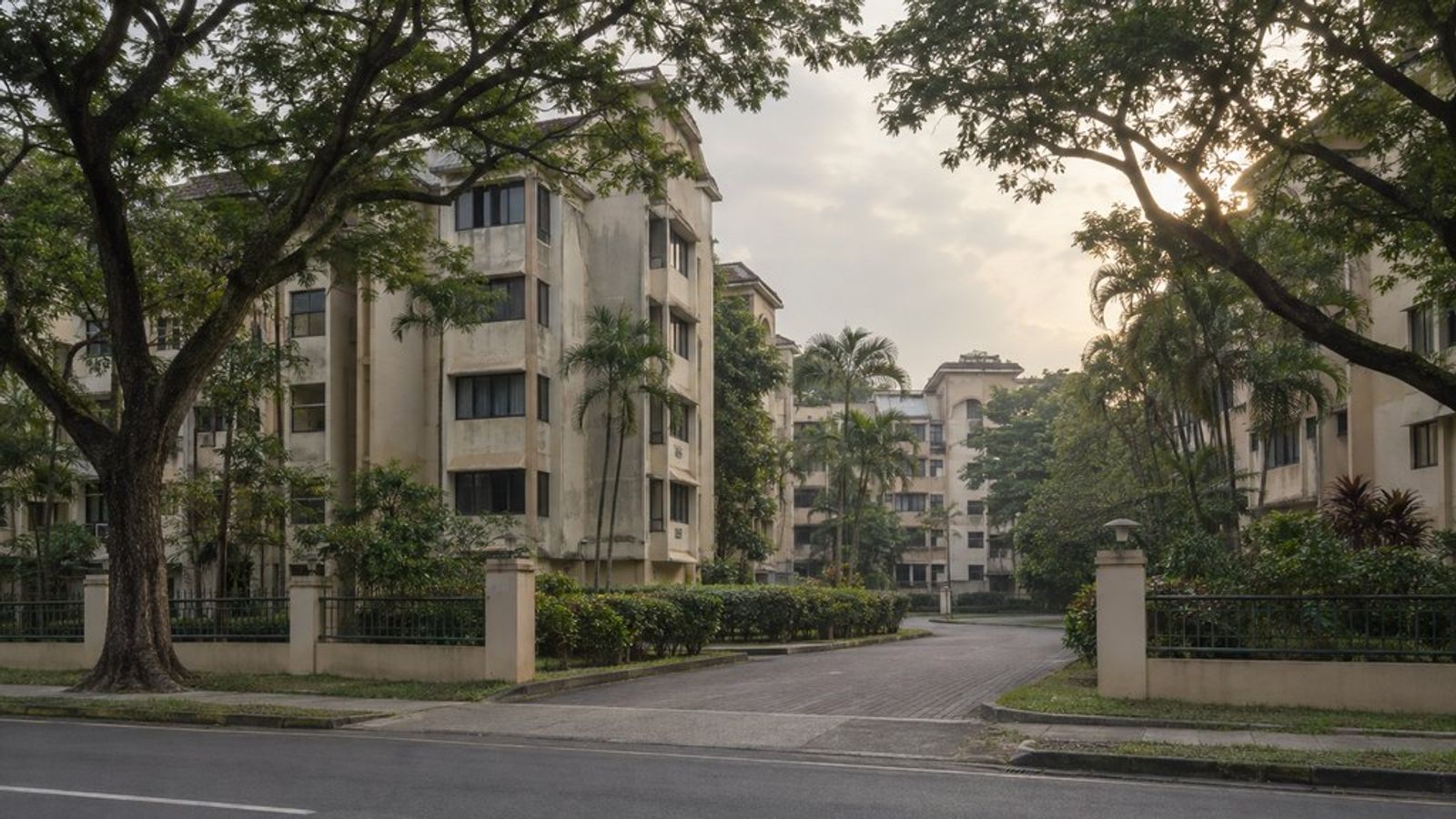
Although relatively uncommon, it does happen. More commonly, what you receive is a lapsed tender and a committee that quietly stands down, which spells years of waiting with nothing at the end.
So, you have two main choices here. You can wait for the en-bloc sale, which is collective, larger, and uncertain, or you can begin the sale of your property this week by actually selling your condo.
We’re here to help. In this blog post, we’ll do some number crunching so you can make a more informed decision.
What the signals in your development mean
En bloc discussions usually start quite casually, maybe in the lift lobby or your owners' WhatsApp chat group. But not every discussion means a collective sale is actually moving forward.
The first formal step is a notice calling an extraordinary general meeting to elect a collective sale committee. Even then, do not read too much into it.
Committees are formed fairly often, and many eventually lose momentum or dissolve.
So at this stage, it mainly tells you that there is interest in an en bloc sale, not that a sale is actually happening.
It is when the collective sale agreement, or CSA, goes out for signatures. That’s the sign of things getting real.
The CSA needs owners holding 80 per cent of the share value and strata area to sign if the development is at least 10 years old, and 90 per cent if it's younger, so the signature tally is the best measure of how serious all the residents are.
Reserve price discussions can tell you a lot about how serious the collective sale really is.
If the committee is pricing the property close to current market valuations, it usually means they are serious about getting a deal done. But if they are still anchored to prices from the last property boom, the tender is more likely to close without a buyer.
In simple terms, a realistic reserve price shows the committee wants to sell. An unrealistic one can keep the property on the market with no deal in sight.
The rules could change soon. A Land Titles (Strata) (Amendment) Bill introduced in Parliament in August 2026 proposes lowering the consent threshold to 70 per cent for developments aged 40 to 59 years, and 65 per cent for developments aged 60 years and older.
If passed, this could make it easier for older developments to reach the required consent for an en bloc sale.
Note that this hasn't been passed, so you might want to plan on today's thresholds until it is, because a tender launched now must clear the current bar.
The premium, and how much you already own
Researchers looking at past Singapore collective sales found that owners typically received around 20 to 50 per cent more than they would have made by selling their units individually.
That potential premium is the main reason to wait for an en bloc sale. Everything else comes with a cost, from waiting longer to dealing with uncertainty and the risk that the sale does not go through.
The same research found something owners often overlook. If a development has clear redevelopment potential, its units may already sell for more than similar homes elsewhere.
Once majority consent is secured, that premium can grow even further. In other words, the market may start pricing in the possibility of an en bloc sale before the deal is actually done.
When we price units in credible en bloc candidates, we often find that some of the potential premium is already reflected in what buyers are willing to pay today.
That means selling now can let you capture part of the upside without waiting years for an en bloc sale that may or may not happen.
A worked comparison
Here are some examples of en bloc calculations. Note that every figure below is just an example, so swap them for your own numbers, because what matters is how the calculation is structured, not the specific figures.
For example, let’s say your unit is expected to fetch $1.5 million on the open market this month. Suppose the reserve price being discussed would give you around 40 per cent more, bringing the price to roughly $2.1 million.
The sale would then have three years to complete, which is within the typical timeframe.
The $600,000 difference looks huge at first. But once you account for the value of getting your money today, the gap becomes smaller.
If you could earn an example return of 3 per cent a year, the $1.5 million received today would grow to about $1.64 million over three years. That alone closes roughly a quarter of the $600,000 gap.
However, you should account for the risk that the en bloc sale does not happen. Most attempts end without a completed sale, and even a 50 per cent chance of success is a generous assumption.
At those odds, the expected extra value drops to around $300,000. That makes the potential premium look a lot less certain than the headline figure suggests.
If the sale fails, it is not a disaster. You still own your unit.
What you lose is the time. You also lose the chance to sell during whatever market conditions existed while you were waiting.
That opportunity cost can matter just as much as the potential en bloc premium.
Waiting has its benefits too. You can continue living in the property or collecting rental income while the en bloc attempt is underway.
If you sell now, you give up that value and need to find somewhere else to live or another property to rent out.
Replacement cost is the final adjustment, and this one works against waiting.
If your development goes en bloc, you and your neighbours will all be looking for replacement homes at around the same time. That can push up prices in the market you are trying to buy into.
So while the en bloc premium may look attractive on paper, it may not stretch as far once you factor in the higher cost of buying your next home.
Run the numbers using your own unit value, reserve price and view of the odds.
If the expected extra value looks modest, you might want to consider the certainty of selling now, rather than waiting for the premium from a collective sale that might never happen.
The timeline when everything goes right
The first thing that should happen is acquiring all the collective sale agreement signatures, and even that can be slow. Collecting those signatures can take up to a year, followed by a public tender that typically runs for around 8 to 12 weeks.
You might want to be prepared for a long process, even when everything goes according to plan.
If a developer signs the deal, the Strata Titles Board, or STB, will review the sale unless every owner has agreed to it.
This review typically takes around three to six months. If minority owners object, the process can take even longer and may eventually reach the High Court.
So even after you have a willing buyer, there can still be months of uncertainty before the sale is fully approved.
Once the sale is approved, completion then usually comes with six to 12 months to deliver vacant possession. In that time, you have to find a replacement home and move into it.
Two to four years is the common range from first meeting to payout, and even five years isn’t rare.
The ways it goes wrong
En bloc attempts fail more often than not. Signatures stall below the threshold, tenders close without a qualifying bid, and some developments have cycled through three or four attempts.
Part of the reason comes down to the developer’s side. A developer buying a residential site can face ABSD of up to 40 per cent if they do not complete the project and sell all the units within the remission deadlines.
That creates a lot of pressure, so developers have to be disciplined with their bids. If the numbers do not work, they may simply walk away, leaving some developments without a buyer.
A failed tender does not necessarily end the en bloc attempt. The rules allow a further 10-week private treaty period, with the price set at the higher of the valuation or the reserve price.
If that still does not attract a buyer, the committee may relaunch the sale with a lower reserve price. So one attempt can drag on much longer than expected and potentially leave the development in limbo for years.
Your exit closes when you sign
Until you sign the collective sale agreement, you are not locked in. You can still sell your unit on the open market.
Your buyer will usually step into your position in the en bloc process. In some cases, they may even be willing to pay more for the unit because they see the potential upside from the collective sale.
After signing the collective sale agreement, you have only a five-day cooling-off period if you want to back out without cost.
Once the Strata Titles Board grants the sale order, the decision becomes binding on every owner, including those who never signed the agreement.
The good news is that every owner still receives their full share of the sale proceeds, even if they did not sign.
The decision point sits before the agreement reaches your door. Carefully evaluate the sell-now route first, because after the cooling-off period, the timing stops being yours to control.
Seller's Stamp Duty applies as usual
Seller's Stamp Duty, the SSD, treats a collective sale like any other sale. Here are the current facts.
| Purchase date | Holding period | SSD by year of sale |
|---|---|---|
| On or after 4 July 2025 | 4 years | 16%, 12%, 8%, 4% |
| 11 March 2017 to 3 July 2025 | 3 years | 12%, 8%, 4% |
After the holding period, no SSD is payable. Inside it, there are no exceptions to en bloc sales.
The Ministry of Finance has stated the duty stands even for owners who opposed the sale. IRAS may waive the late-payment penalty, but not the duty.
When we work through the numbers with owners, the first thing we check is the purchase date. Check yours before you sign anything, because completing the sale during your SSD period could mean paying a sizeable duty bill on top of the premium.
If you bought the property recently, the numbers may make more sense if you wait until the SSD period ends before moving ahead.
How to decide
When we help owners in developments with active committees, the decision usually comes down to your own timing rather than the development’s chances of going en bloc.
These three questions matter most.
Do you need the money by a date you can name?
A collective sale cannot be timed around your plans. If you have other financial commitments, selling on the open market may give you the certainty and control you need.
Sometimes, having a sale you can control is worth more than waiting for a potential en bloc premium.
Is your development a genuine candidate or a hopeful one?
Three things can set a development apart: an underbuilt plot ratio, a large and regular site, and clear interest from developers.
Our list of freehold condos with en bloc potential looks at these markers in more detail.
Could you absorb a failed attempt without damage?
If you have no deadline, no Seller’s Stamp Duty to worry about, and no better use for the money, waiting may cost you little beyond patience.
But if any of those three things apply to you, selling now starts to look more attractive because you get certainty and control.
The comparison is yours to make. If you want both options priced for your unit, our team can lay out the numbers clearly, and we won’t charge you anything for it.
What owners ask
Can I still sell my unit after a committee has formed?
Yes, you can sell your unit in the open market right up until you've signed the collective sale agreement and the five-day cooling-off period has passed. Units in active candidates often sell at a premium, so a running attempt may help your price rather than hurt it.
Does an en bloc sale escape Seller's Stamp Duty?
No. If completion falls inside your holding period, the duty applies in full, even for owners who voted against the sale, and only the late-payment penalty may be waived.
What happens if the tender closes without a buyer?
The committee gets a 10-week window to negotiate a private sale at or above the higher of the valuation or the reserve price. If that lapses, committees often regroup and relaunch at a lower reserve.
Is the premium settled once 80 per cent have signed?
No. The tender still needs a qualifying bid, and the Strata Titles Board still needs to grant the order, so the 80 per cent consent starts the process rather than finishing it.
Related articles
All articles →
How to Sell Landed Property in Singapore When No Two Houses Are Alike
Four ways a landed sale differs: harder valuation, a citizen-only buyer pool, land versus building value and longer marketing. Then the steps to…
Read more →
ABSD Remission for Married Couples (2026)
How a married couple gets the ABSD on a second home refunded: the conditions, when the six-month clock starts, and what happens if the sale falls…
Read more →
A Decoupling Calculator You Can Run on Paper
What a decoupling costs in Singapore, worked on paper: BSD on the share, two law firms, the valuation, and when SSD makes it fail. Three example…
Read more →